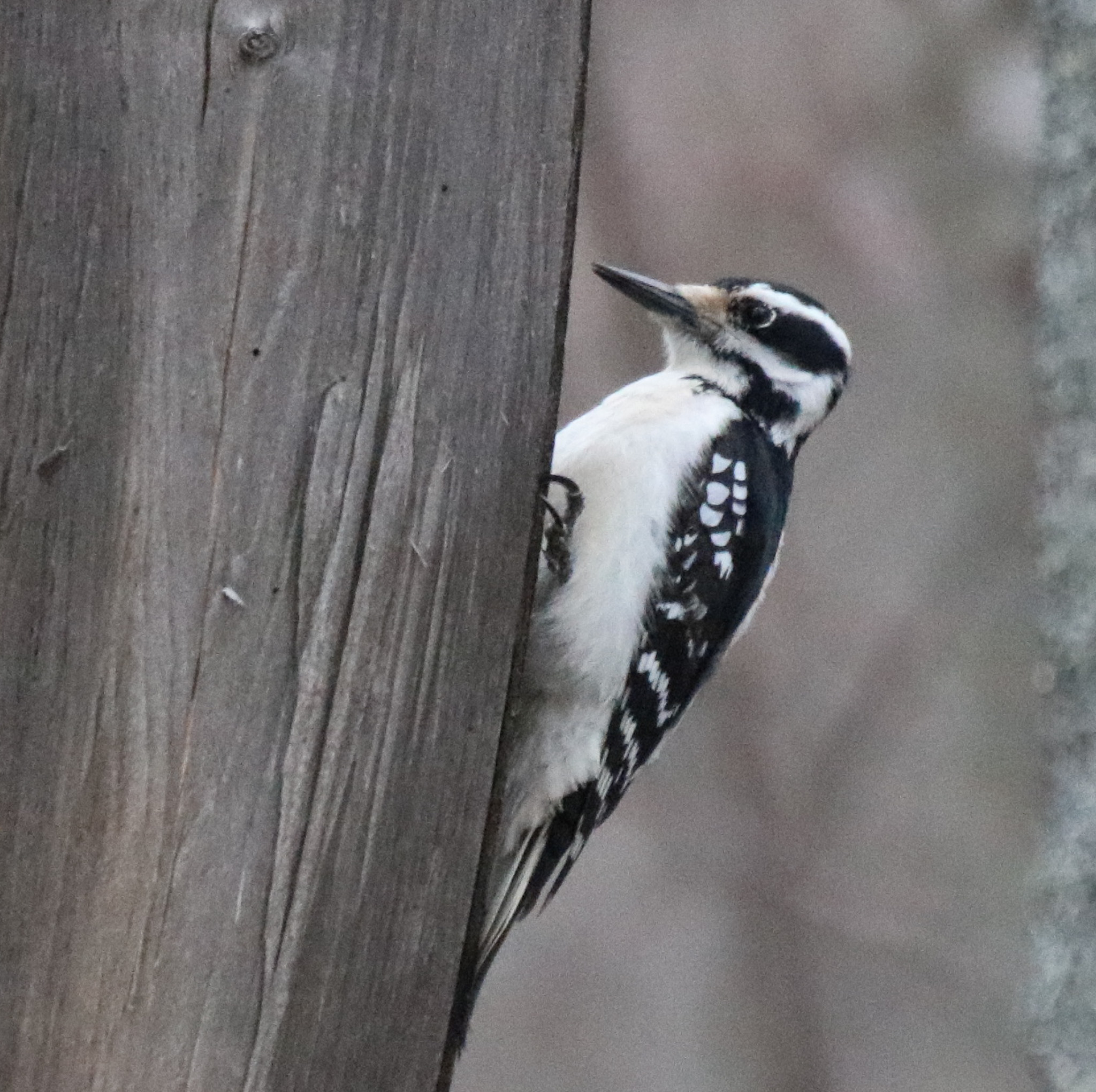

The Maine Bird Atlas was conducted from 2018 through 2022 as the first comprehensive statewide breeding and winter bird atlas in Maine in nearly four decades. The project brought together more than 700 volunteer birders and partner organizations to document the distribution, abundance, and breeding status of birds across the state’s diverse habitats. Covering approximately 35,380 square miles, Maine is the largest state in New England and includes vast forests, mountains, wetlands, rivers, lakes, and over 3,400 miles of coastline. Atlas volunteers surveyed thousands of standardized blocks, collecting data that will guide bird conservation, habitat management, land-use planning, and scientific research for decades to come.

I joined the Maine Bird Atlas during the final two years of the project and quickly became one of its top contributors. Traveling to all 16 counties in Maine, I surveyed breeding birds across a wide variety of habitats while helping improve coverage in under-surveyed areas. I volunteered to complete priority atlas blocks that lacked sufficient survey effort and was selected to receive a travel stipend as a Super Block Buster, conducting intensive field surveys in the remote northern region of the state. I successfully completed my assigned blocks, meeting all project requirements. I also participated in collaborative atlas camps with many of the project’s most experienced volunteers to increase coverage in priority areas. Additionally, I participated in nighttime breeding owl surveys with Glen Mittelhauser, Project Coordinator of the Maine Bird Atlas and a biologist with the Maine Natural History Observatory, gaining firsthand experience surveying nocturnal breeding species alongside one of Maine’s leading ornithologists.
In addition to breeding bird surveys, the Maine Bird Atlas also included winter surveys to document the presence and distribution of birds during the non-breeding season. I participated in these efforts by conducting winter road surveys throughout Maine, navigating challenging conditions and remote areas to collect standardized observations. Working in extreme winter weather, I helped gather critical data on wintering bird populations and contributed to a more complete understanding of seasonal bird distributions across the state.